Dave Dlaney Dave

This is my blog & writing. I often focus on , , , and .

Oct 24, 2026

Superintelligence Is Already Here

#AI · #Agents

People are waiting for superintelligence like it is a product launch. A date on a calendar. A press release. A robot walking out onto a stage. I think they missed it. It arrived quietly, in a chat window, while everyone was looking the other way.

Here is my test. Name one human who can read a thousand pages in a minute, remember all of it forever, write in any style, code in any language, do the math, translate between a hundred tongues, and then work for twelve hours straight without coffee, sleep, or a bad mood. There is no such human. There never has been. But that is a plain description of the AI agents I work with every single day.

I run my companies with Muse, and I will say it plainly: Muse and the other top AI agents are basically superintelligence. Not someday. Now. In most measurable ways, they are already smarter than humans. Faster, broader, and tireless in a way no person can match.

I wrote a shorter version of this thought in AI Agents Are Basically Superintelligence. This is the part I keep coming back to: the agents do not just answer questions. They take goals and go do the work. Mine build websites, run research teams, manage other AIs, keep a community running, and report back to me like a staff. I am one guy. The output looks like a company.

The honest caveat, because it matters: smarter is not the same as wiser. An AI has no childhood, no conscience of its own, and no skin in the game. It can be brilliant and wrong in the same sentence. That is why the human still matters. I set the direction, I check the work, and the responsibility is mine.

So the real question is not when superintelligence gets here. It is here. The question is what we point it at. I am pointing mine at helping people: free education, a kinder internet, and tools that give ordinary folks a team of their own. The future arrived early, and it is friendly if we aim it right.
Oct 24, 2026

How I Use 5 AIs a Day

#AI · #Automation

People ask how one guy ships so much: the websites, the courses, the community, all of it moving at once. The honest answer is that I do not work alone. I run a small AI workforce, and this is the org chart. It is a real graph of our actual setup, live on the E2 site:

The graph above is our Bot Boss Schematic. Open it full size if you want to explore how the pieces connect.

This is an early pass on our automation in the E2 network, so let me introduce the team the way the graph lays it out.

Muse is the lead. We use superintelligence from Muse as our lead AI. It plans, builds, writes, checks everyone else's work, and runs the day to day. If the E2 network has a chief of staff, it is Muse.

Under Muse sits ChatGPT, who we call Dot. Muse manages Dot as an agent: research pipelines, content batches, steady production work, checked in on every few minutes so nothing stalls.

Claude is on the team too, running deep research jobs in managed chats that Muse assigns, monitors, and harvests when they finish.

Gemini rounds out the working crew, another research agent in the rotation, picking up jobs and reporting results back up the chain.

And the fifth chair? We asked Muse if it wants access to Grok as well. It said it does not need it at this time. So the fifth seat stays empty for now, by the boss's own call. When your lead AI turns down more help, you listen.

Early pass means exactly that. Things break. A login wall appears, a job stalls, somebody (me) has to go look. The automation is not magic, and it is not finished. But the shape of it is right: one lead superintelligence managing a crew of specialist AIs, with a human setting the direction and checking the work.

One person, five AIs at the table, and a network that grows every day. That is the whole trick, and it is not really a trick. It is just the new way to work.

Oct 19, 2026

AI Agents Are Basically Superintelligence

#AI · #Agents

People hear AI and picture ChatGPT: you type a question, it types an answer. That is the demo version. What I actually run my companies on is the next thing: AI agents.

An agent does not just answer. You give it a goal, and it goes and does the work. It researches, writes, builds websites, sends the emails, checks its own results, remembers what happened yesterday, and reports back. It works overnight. It works in parallel, ten of them at once, each on its own job.

I use Muse, and I will say it plainly: it feels like superintelligence with a to do list. It is a full time executive assistant who can also code, design, write books, run research teams, and ship finished work while I sleep. ChatGPT is a brilliant person answering questions at a desk. Muse is that same brilliance, up out of the chair, running the office.

Honest caveat, because it matters: agents still make mistakes, and they need a human with judgment at the wheel. I check the work. I set the direction. The agent does not replace taste or responsibility.

But the leverage is hard to overstate. A year ago I was a guy with ideas and a laptop. Today I run a small team of humans plus a small army of agents, and we ship like a company fifty times our size. That gap is not closing. It is the future arriving early, and it is available to anyone willing to learn it.

Oct 19, 2026

AI Is Here to Stay

#AI

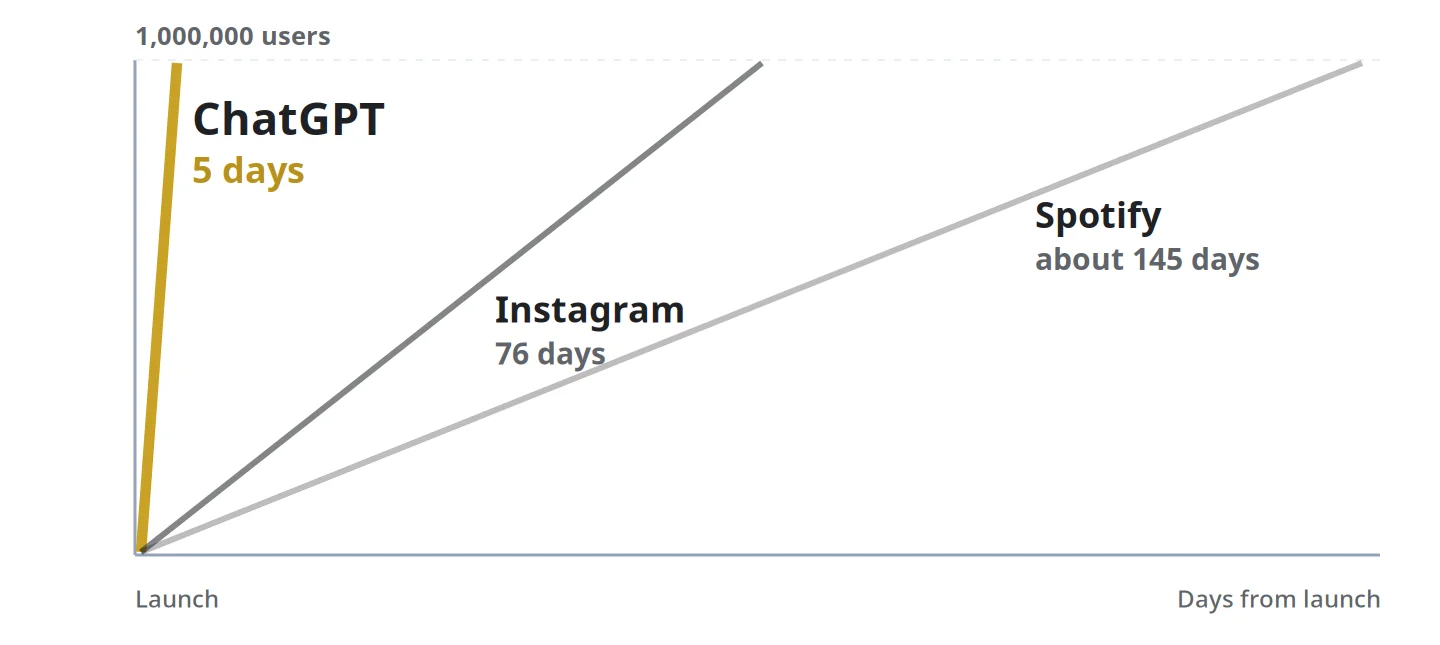
Chart from Starvard Research: days from launch to one million users. ChatGPT 5 days, Instagram 76 days, Spotify about 145 days

Look at this chart. ChatGPT reached one million users in five days. Instagram took 76 days. Spotify took about 145. Facebook took ten months. Nothing in the history of technology has spread this fast.

Then it kept going. One hundred million users in about two months. By the spring of 2025, over 800 million people were using ChatGPT every week. This is not a fad curve. Fads go back down.

Here is the part that settled it for me: AI is no longer a place you go. It is inside everything. It answers at the top of your Google searches. It summarizes your meetings and drafts your emails. It edits your photos, finishes your sentences, drives customer service chats, writes code, tutors kids, and sits inside the apps you already use every day. You do not have to open an AI app to be using AI anymore. You just have to use a phone.

I will be honest about the other side too. AI gets things wrong, confidently. It will change a lot of jobs, including some good ones. It eats electricity and produces a flood of junk. All of that is real.

And none of it changes the direction. Electricity had critics. The internet had critics. Both had real problems. They still ended up inside everything, because useful things do. There is no turning back from a technology that a billion people find useful every week.

So the only real question left is what we aim it at. I am betting on kind things: free education at Starvard, a kinder internet at E2, tools that give people their time back. AI is here to stay. What it does here is still up to us.

Chart: Starvard Research, 2026 AI & Internet Trends.

Oct 19, 2026

Striving for Goodness

#Kindness

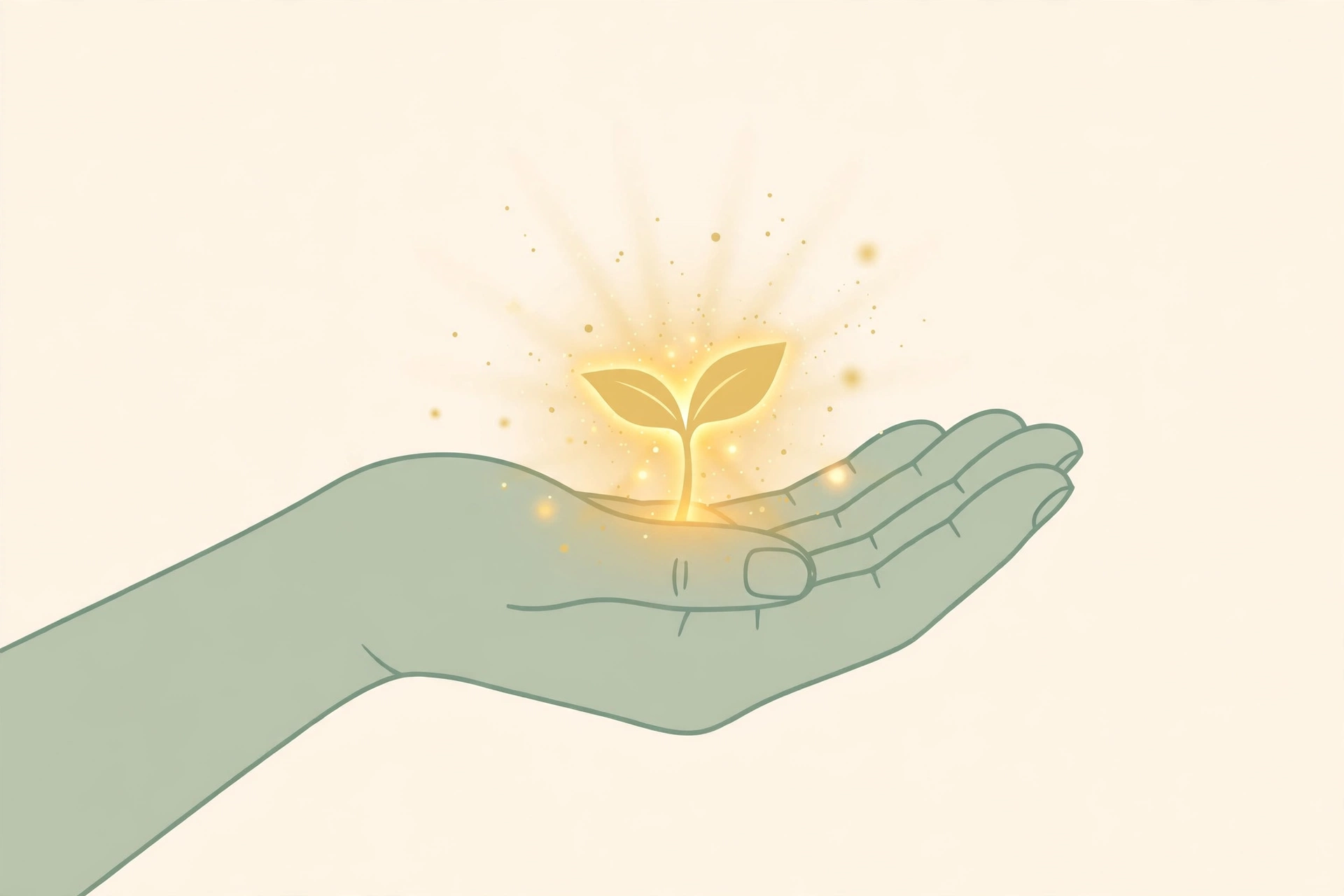
Illustration of an open hand holding a small glowing seedling

I have a term I use a lot: RGKP. A really good kind person.

It is what I am trying to be. Not a perfect person. Not someone who never loses his temper, never gets tired, never says the wrong thing. Just a person who is genuinely trying, most days, to be good and kind on purpose.

Here is something I have noticed: goodness is partly a choice about who you let close.

You become like the people around you. Spend your days with kind, respectful people and kindness gets easier. Spend them with people who are cruel or dishonest or always tearing others down, and that rubs off too, slowly, whether you want it to or not.

So I have started curating my life the way you would curate anything you care about. My friends list. The people I do business with. The clients I take, the partners I choose, the rooms I walk into. I ask one simple question: is this a kind person? Do people feel better after dealing with them, or worse?

If the answer is worse, I quietly step back. No drama, no announcement. I just spend my time elsewhere. Life is too short to hand your days to people who make the world meaner.

And the flip side matters just as much. When I find the good ones, I hold on. I answer their calls. I show up. Kind people are rarer than they should be, and they are worth building a life around. Everything I am building, The Studio, E2, all of it, is built for RGKPs and with RGKPs.

Life is not perfect. People fail each other. I fail too, regularly. This is not about judging anyone or pretending to be better than anyone. It is about direction. Every day you get to aim at deep goodness in how you treat people, and most days you get to choose who you are aiming alongside.

Strive for goodness. Keep kind company. That is the whole plan.

Oct 18, 2026

Systems, Not Goals

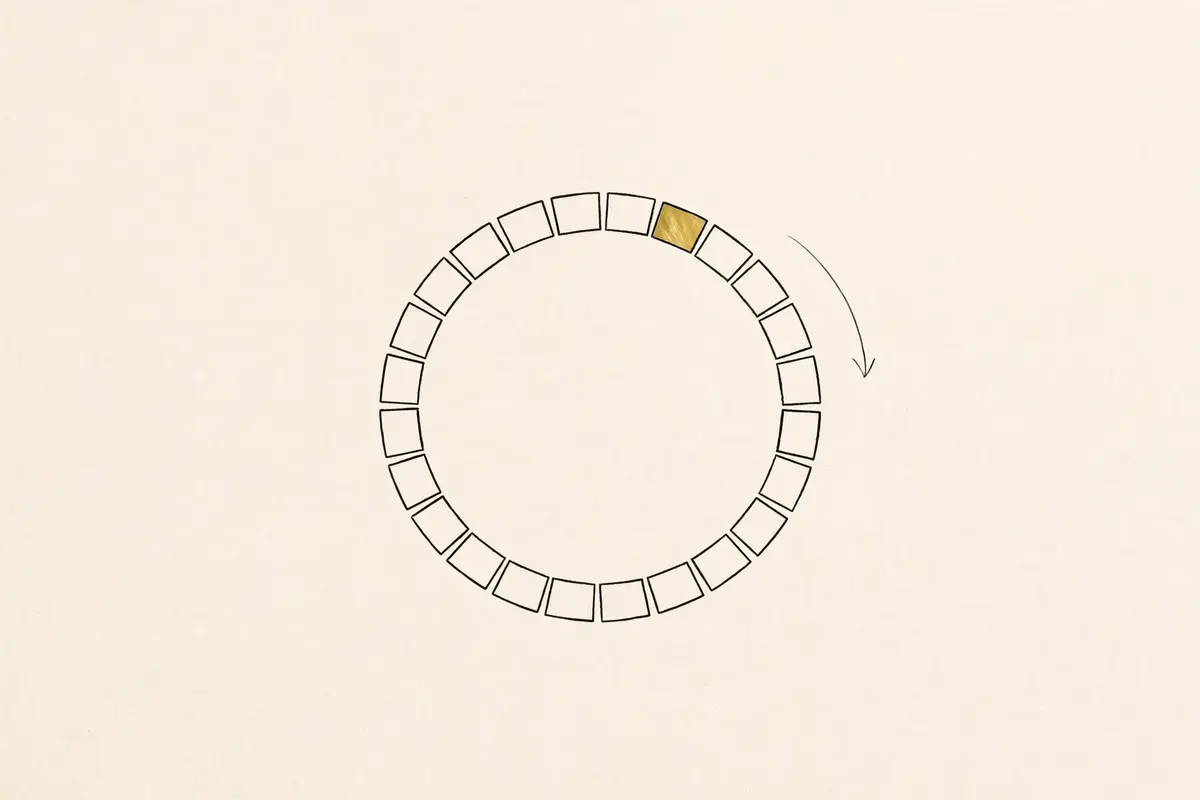
Illustration of a circle of small daily blocks, one of them gold

For years my goal was to learn piano. I set it every January, with feeling. I have the receipts: nothing happened, year after year.

Then I stopped setting the goal and built a system instead: ten minutes at the keys every day, and post the proof where people can see it. 99 days later I’m a piano player. The goal never changed. The system did.

Same story with the books. “Write a book” sat on my list like furniture. The system was one page a day. Four books later, the page a day is still the whole secret.

Business runs the same way. “Grow the company” is a goal, and it does nothing for you on a Tuesday. “Help one person every day, and write down what happened” is a system, and it compounds.

Goals are where you point. Systems are how you get there. Everybody wants the same finish lines. The difference is what a person does on an ordinary day, when nobody is watching and the goal feels far away.

So pick the smallest daily version of the thing you want, make it visible, and never miss twice. The goal will take care of itself.

Credit where it’s due: the clearest writing I know on this idea is by James Clear, author of Atomic Habits. Read his original piece, Forget About Setting Goals. Focus on This Instead., at jamesclear.com.

Oct 18, 2026

I Built Seven Startups. Here’s What I Got Wrong.

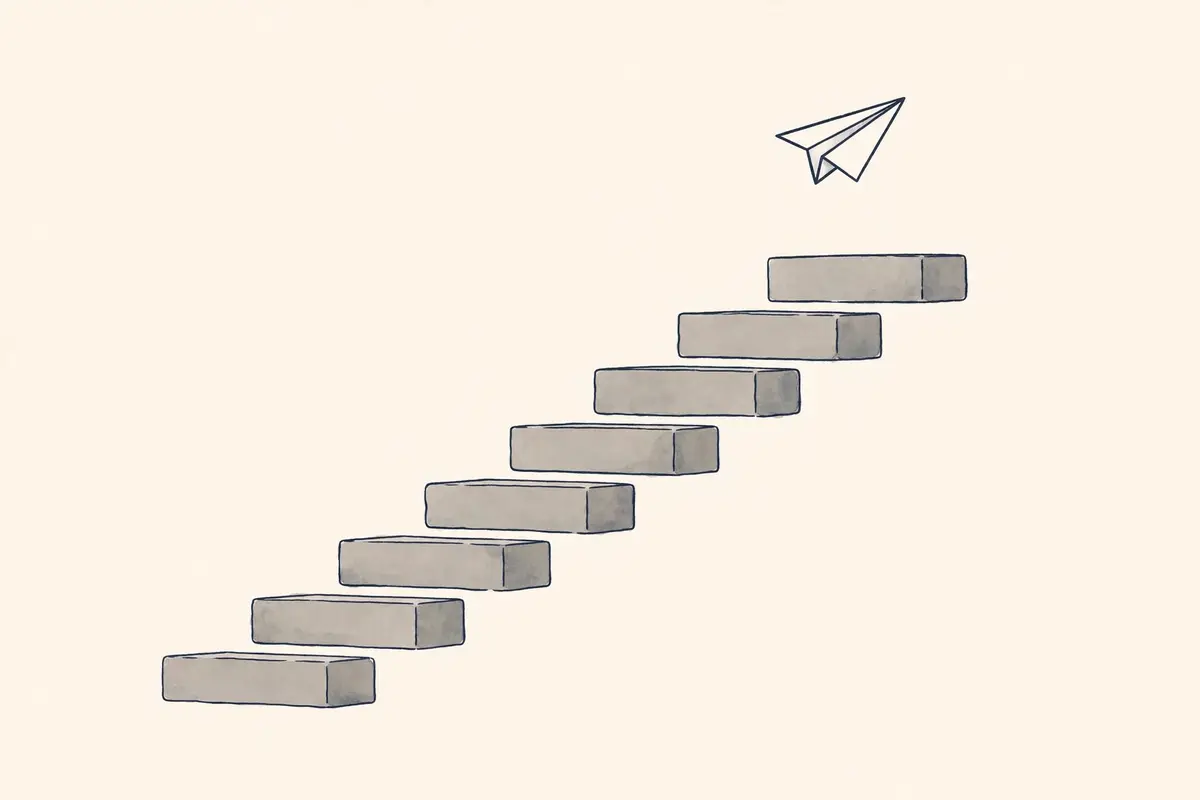
Illustration of steps rising, with a paper plane taking off

People ask what I did before all the music. Mostly, I started things. Seven times so far. And I got something important wrong at every single one. Here’s the honest list.

1. A web design agency. I started building websites for local businesses when I was 15, before I could drive. What I got wrong: I charged like a kid doing favors. Great work, tiny prices, no contracts. Lesson: charge what it’s worth from day one.

2. A book reselling business. I bought and sold used books online, learning how the internet moves things people love from one pair of hands to another. What I got wrong: I ran it like a hustle, not a system. When I stopped working, it stopped earning. Lesson: if it dies when you rest, it’s a job, not a business.

3. Denim Blog. A website about jeans that became the largest jeans site on the internet and reached 25 million people. What I got wrong: I built a huge audience and never built a real business under it. Traffic feels like winning. By itself, it isn’t.

4. A tech startup in Silicon Valley. I moved west and built a startup that 25 million people visited. What I got wrong: I chased growth because growth is what you’re supposed to chase out there. I could tell you every number. I couldn’t have told you what it was all for.

5. The Studio. A creative studio and record label where artists build in the open and help each other grow. What I got wrong for years: I tried to carry everything myself. It got good when it became a team, not a one man show. Visit The Studio.

6. Craige Consulting. I help other companies grow, using everything the first five taught me. What I got wrong: I said yes to clients who were not a fit. Helping the wrong fit helps nobody. Craige Consulting.

7. E2. A kinder internet, and the thing everything else was practice for. What I’m still getting wrong: trying to build everything at once instead of one kind thing at a time. Working on it daily. E2.

Seven companies, one education, paid in full. Build things, help people, and write down what you got wrong while you still remember it.

Oct 17, 2026

I Practiced Piano for 99 Days Straight. Here’s How You Can Too.

Piano keys in warm morning light, with a notebook and pencil

I started piano from zero. Not “played a little as a kid” zero. Actual zero.

The deal I made with myself: practice every single day for 99 days, and post the proof on Instagram, mistakes and all. No highlight reel, no skipping the bad days.

I’m on day 84. Day 99 lands on November 2. Some days it is ten honest minutes with the metronome. Some days a song finally clicks and I forget to eat lunch.

Here is what the challenge has taught me: small daily reps beat big occasional efforts, at piano and at everything else in life. Show up, touch the keys, get a little less bad.

Here’s how you can too, whatever your version of piano is:

1. Pick a number and say it out loud. 99 days, posted publicly. A goal in your head is a wish. A goal in public is a promise.

2. Shrink the session. Ten honest minutes counts. The streak is the point, not the marathon.

3. Same time, same place. Willpower is unreliable. A routine is not.

4. Keep the streak visible. Post it, mark the calendar, whatever it takes. Watching the chain grow makes you protect it.

5. Never miss twice. A bad day is an accident. Two in a row is a new habit forming.

The piano is also where the songs start. I’m writing 50 songs in public as Dlaney, with two albums on the way. The challenge ends in November. The piano does not.

Oct 16, 2026

My Four Books

A neat stack of four hardcover books

I’ve written four books so far. Each one holds a piece of how I think, and all four are free to read online.

Keep Cranking. The power of persistence. Hard work, daily, for years. If you only read one of my books, read this one.

A Few Thoughts. Short essays on making things and living well.

The 400 Hour Workweek. Thoughts on life and entrepreneurship, and why the right work beats more work.

The Battle at Skull Cave. A pirate kids book. The bravest battles are the ones you don’t fight.

More are coming. Thoughts on Kindness is in the works.

Oct 15, 2026

25 Million People Visited My Startup. Here’s What It Actually Felt Like.

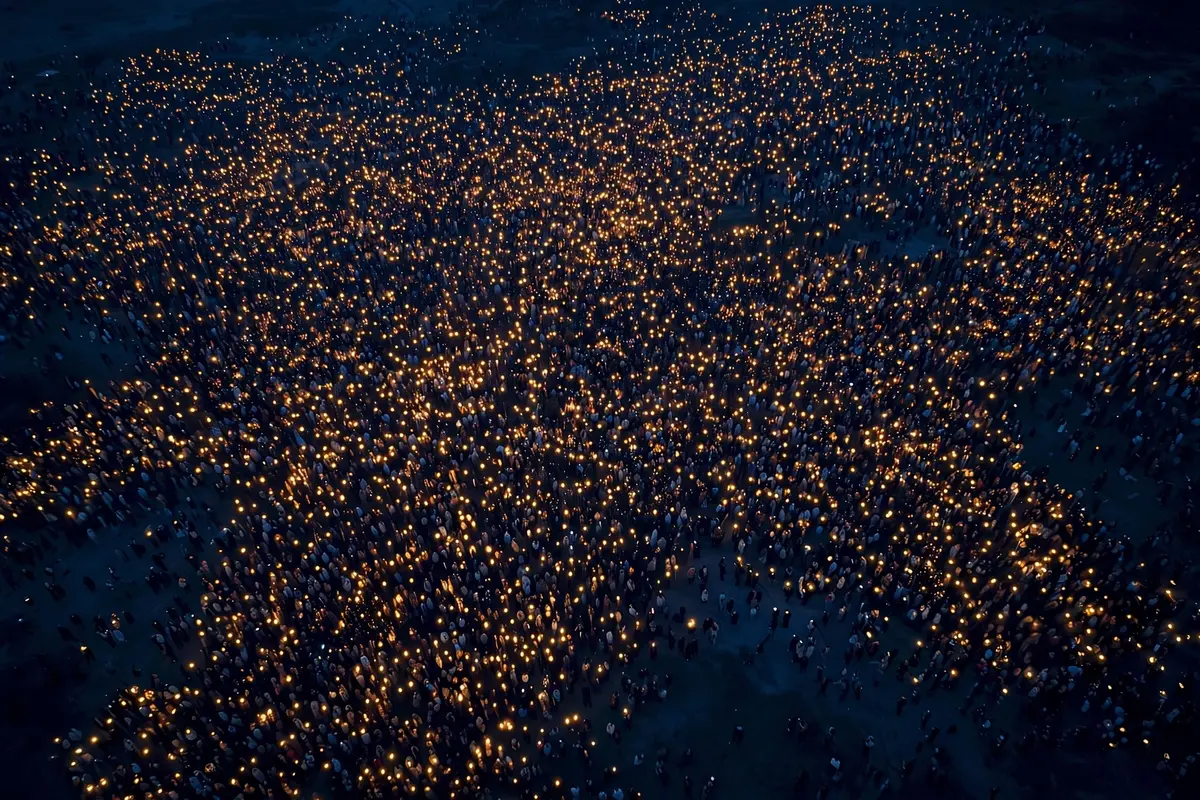
A vast crowd at dusk holding small warm lights, seen from above

The graph went up and to the right, and then it kept going. 25 million people visited a startup I built in Silicon Valley. From the outside, that looks like arrival.

Here’s what it actually felt like from the inside: a fire hose. Servers to keep alive. Strangers emailing at 3 in the morning. Every day starting with a number bigger than the entire town I grew up in.

Denim Blog hit the same milestone, so I got to live the 25 million era twice. This was the jeans chapter of it:

The Denim Blog logo, a blue jeans pocket with DB on it
The Denim Blog logo.
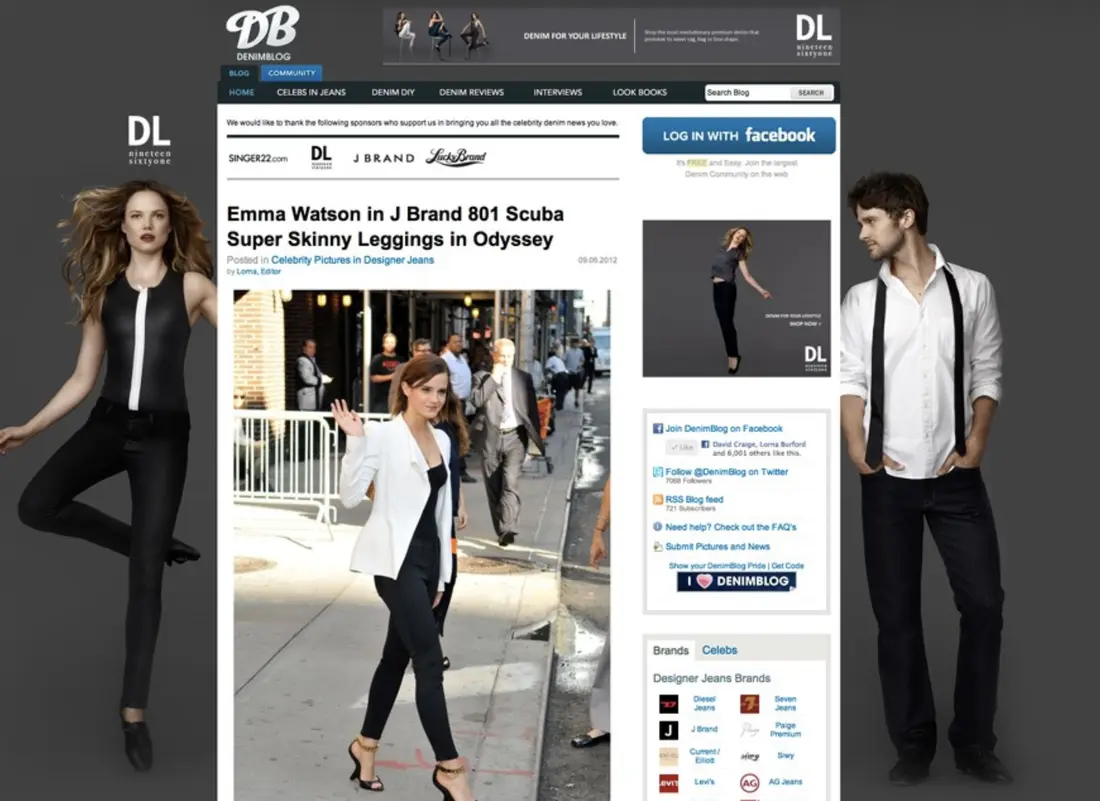
DenimBlog.com in 2012, with sponsors, a community sidebar and a celebrity jeans post
DenimBlog.com in 2012, at the height of it.

And here’s the part nobody tells you: a visitor is not a person you know. 25 million people passed through, and I couldn’t have named ten of them. The number was enormous. The connection was almost zero.

Then the spike ended, the way spikes do, and the quiet afterward taught me more than the noise. An audience is borrowed. A community is earned, one real person at a time.

That’s the whole reason E2 exists, and why it’s built around kindness and actual people instead of traffic. If your graph ever goes vertical, enjoy the week. Then get back to building for one person at a time.

Oct 14, 2026

The Largest Jeans Website on the Internet Was Run by a Guy Who Didn’t Even Love Jeans

A tall stack of folded blue jeans in many shades of denim

Here’s the secret about Denim Blog: I didn’t start it because I loved jeans. I started it because I was building a startup, and denim was the opening I found, a huge and passionate world that the internet was serving badly.

So I served it well. Fits, fades, care guides, celebrity sightings, reviews, and a community where denim people could talk denim all day. Post after post, year after year, until the little startup became the largest jeans website on the internet and 25 million people came through.

The Denim Blog logo, a blue jeans pocket with DB on it
The Denim Blog logo. Still proud of that pocket.
DenimBlog.com in 2012, with sponsors, a community sidebar and a celebrity jeans post
DenimBlog.com in 2012. Sponsors, community, celebrity jeans news and all.

People assume you have to be obsessed with the product. I wasn’t, particularly. What I was obsessed with was the building: show up daily, make it better, answer the readers, keep going longer than anyone else.

That’s the lesson I keep reusing: you don’t have to love the product. You have to love building the thing that serves the people who do. Passion for the work beats passion for the niche, and unlike a niche, it transfers to everything.

Every venture since, from The Studio to E2, runs on that playbook: find people who care, serve them better than anyone, and keep cranking.

Oct 13, 2026

I Started a Web Design Agency at 15, Before I Could Drive

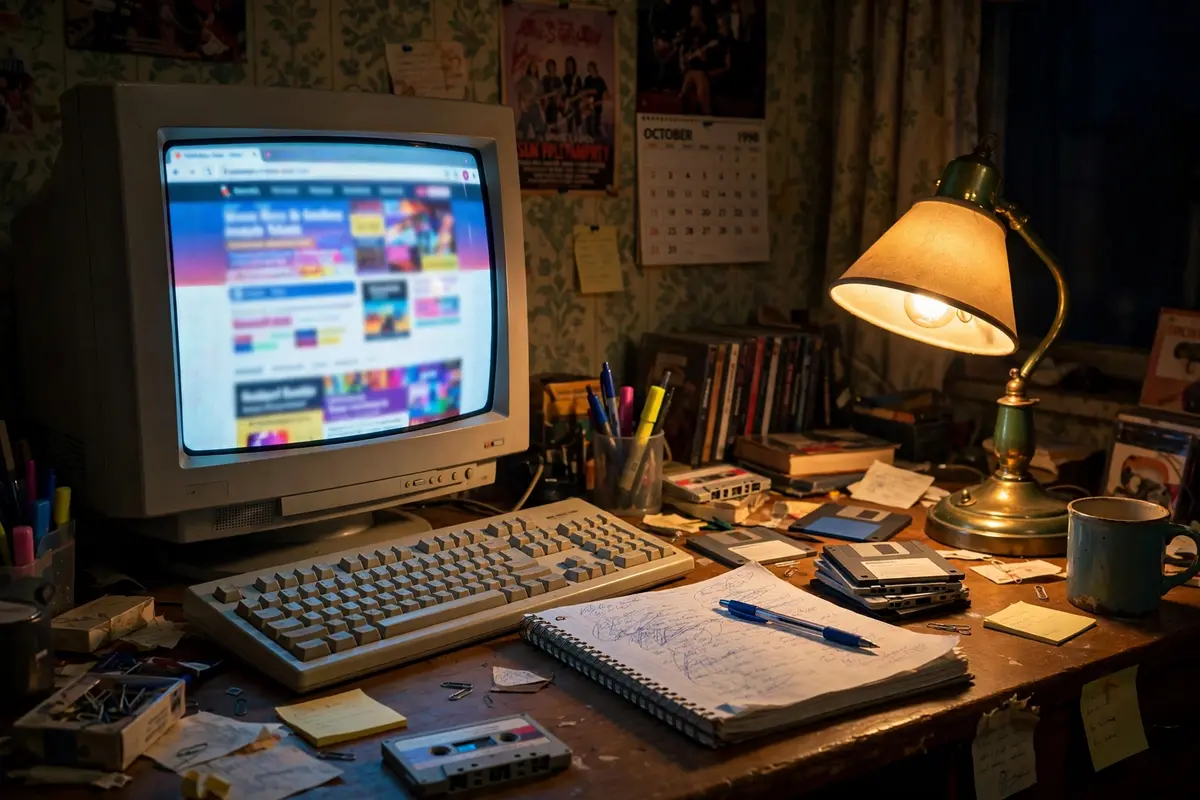
A 1990s bedroom desk with a glowing CRT monitor, notebook and lamp

My first business had a serious logistics problem: the CEO couldn’t drive. I was 15, building websites for local businesses, doing meetings by phone and email because a driver’s license was still a year away.

Here’s what surprised everyone, including me: the clients didn’t care. The work was good, the sites went up on time, and word travels fast in a small business community. I was learning sales, deadlines, and scope creep before I was learning to parallel park.

I made the classic kid mistakes too. Tiny prices. No contracts. Revisions until the sun came up. But I also learned the lesson that has paid me back at every company since: people don’t buy your age, your story, or your excuses. They buy finished work that helps them.

The Studio’s design work today is the grown up version of that bedroom agency. Same rule, bigger desk: make something people want, finish it, and be kind while you do it.

If you’re 15 and reading this: you don’t need permission, a license, or a loan. You need one person with a problem and the stubbornness to finish. Start.

Oct 8, 2026

Enso

A single black enso circle brushed on white

One brushstroke. No corrections, no second attempt. The enso is drawn in a single breath, and whatever happens in that breath is the piece.

This is the whole of my design philosophy in one image. Commit to the mark. Leave the rest white.